
AP Physics Resource Hub
Whether you’re starting AP Physics 1 or aiming for a 5 on AP Physics C, this hub is your trusted guide. Get study strategies and Ivy League tutor insights. All in one place.
Whether you’re starting AP Physics 1 or aiming for a 5 on AP Physics C, this hub is your trusted guide. Get study strategies and Ivy League tutor insights. All in one place.
Whether you’re starting AP Physics 1 or aiming for a 5 on AP Physics C, this hub is your trusted guide. Get study strategies and Ivy League tutor insights. All in one place.
Why Choose North American Tutors?


Ivy League Tutors with 5s on exam
Ivy League Tutors with 5s on exam

Personalized AP Physics study plans
Personalized AP Physics study plans

Online and flexible scheduling
Online and flexible scheduling
Physics Prep Tips and Guides


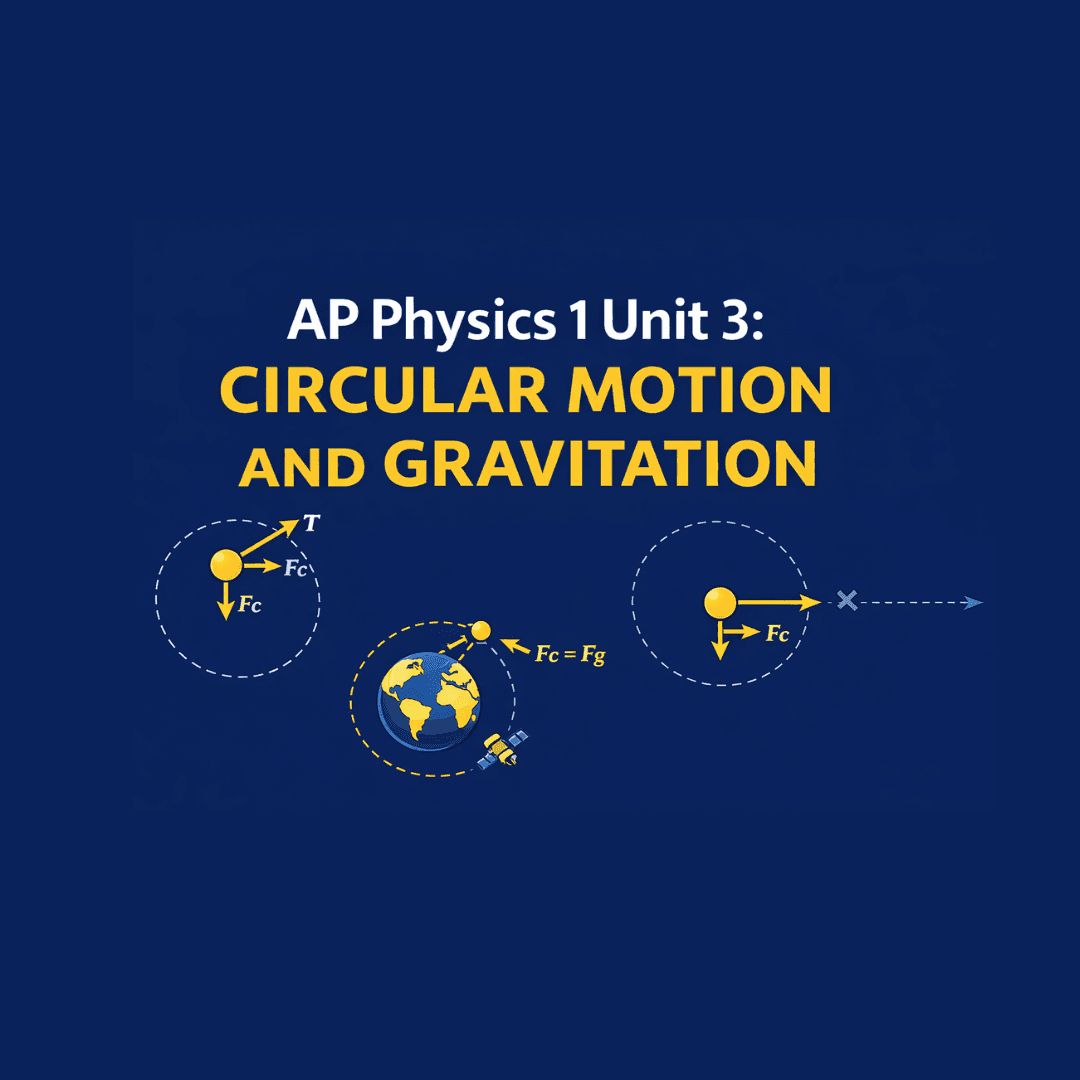

Jonathan Suh
Jonathan Suh
Swarthmore College
5
5

Zachary Wagner
Zachary Wagner
Princeton University
5
5

Hamza Kalim
Hamza Kalim
University of Oxford
5
5

Michael Carlton
University of Texas
University of Texas
5
5

FAQ’s
Frequently Asked Questions
How is the AP Physics exam structured?
The AP Physics exams include multiple-choice and free-response questions that test both conceptual knowledge and problem-solving skills. You’ll have 90 minutes for each section, and the free-response portion often rewards clear reasoning and proper use of units, even when the final answer isn’t fully correct.
How is the AP Physics exam structured?
The AP Physics exams include multiple-choice and free-response questions that test both conceptual knowledge and problem-solving skills. You’ll have 90 minutes for each section, and the free-response portion often rewards clear reasoning and proper use of units, even when the final answer isn’t fully correct.
Can tutoring help me get a 5 on the AP Physics exam?
The most effective prep is consistent practice with real FRQs, timed conditions, and clear explanations of each step. Focus on understanding concepts, not just memorizing formulas, and you’ll gain confidence with every practice session.
Can tutoring help me get a 5 on the AP Physics exam?
The most effective prep is consistent practice with real FRQs, timed conditions, and clear explanations of each step. Focus on understanding concepts, not just memorizing formulas, and you’ll gain confidence with every practice session.
What are the best resources to prepare for AP Physics?
Some of the most effective resources include past exam questions, official practice from the College Board, and interactive simulations like PhET to visualize concepts. Many students also benefit from video explanations, review guides, and practice tests that mirror real exam timing and difficulty.
What are the best resources to prepare for AP Physics?
Some of the most effective resources include past exam questions, official practice from the College Board, and interactive simulations like PhET to visualize concepts. Many students also benefit from video explanations, review guides, and practice tests that mirror real exam timing and difficulty.
How should I prepare for AP Physics free-response questions?
The best way to prepare is consistent practice with real FRQs under timed conditions. Focus on showing each step of your reasoning, labeling diagrams clearly, and including units in calculations—partial credit is often awarded for correct setup and clear explanations, even if the final answer isn’t perfect.
How should I prepare for AP Physics free-response questions?
The best way to prepare is consistent practice with real FRQs under timed conditions. Focus on showing each step of your reasoning, labeling diagrams clearly, and including units in calculations—partial credit is often awarded for correct setup and clear explanations, even if the final answer isn’t perfect.
What topics and formulas are essential for AP Physics?
Core topics include mechanics, energy, momentum, electricity, magnetism, and waves, supported by formulas like Newton’s laws, kinematics equations, and conservation principles. A formula sheet is provided on test day, but success depends on knowing when and how to apply these equations in different problem types.
What topics and formulas are essential for AP Physics?
Core topics include mechanics, energy, momentum, electricity, magnetism, and waves, supported by formulas like Newton’s laws, kinematics equations, and conservation principles. A formula sheet is provided on test day, but success depends on knowing when and how to apply these equations in different problem types.