Online Chemistry Tutors, One-on-One and Matched to You
North American Tutors matches students with a private online chemistry tutor drawn from a screened roster of tutors who studied chemistry, chemical engineering, or biochemistry at Cornell, Duke, Johns Hopkins, Brown, and UC Berkeley. Every session is one-on-one and online, scheduled to your time zone. We cover high school chemistry, AP Chemistry, IB Chemistry, college general chemistry, organic chemistry, and biochemistry. A person matches you to a tutor, not an algorithm.
Find the perfect tutor for you based on your requirements!
Chemistry
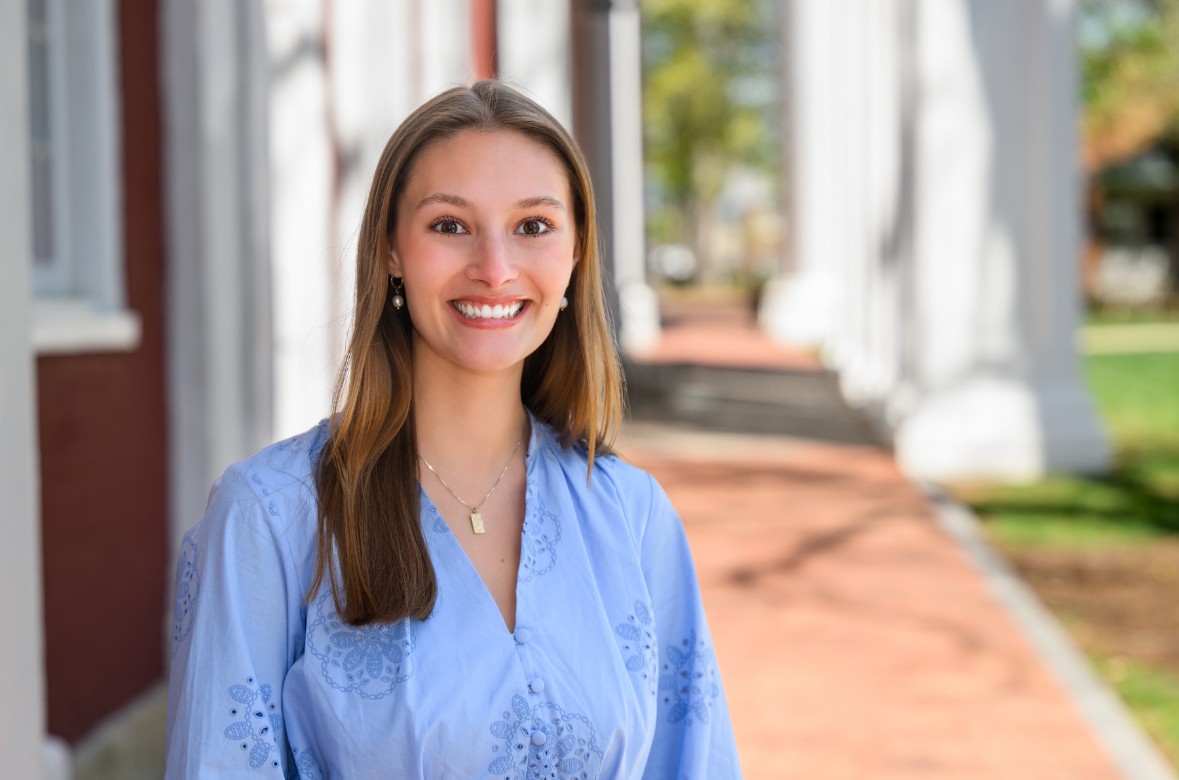
Kristina is a Johnson Scholar graduate of Washington & Lee University, where she earned her degree in Biology. She recently returned from the Netherlands, where she was completing public health research on socioeconomic barriers…

Before medical school, Alexander graduated summa cum laude in Biochemistry from Northeastern University (GPA 3.95) and contributed to scientific research as a co‑author on publications including Nature Metabolism (2020)...

Owen Emmons teaches Chemistry, Environmental Science, Math, Physics, Biology, College Application work, and SATs to those of any academic background or level. While studying at Duke University towards a degree in Chemistry with a concentration in…
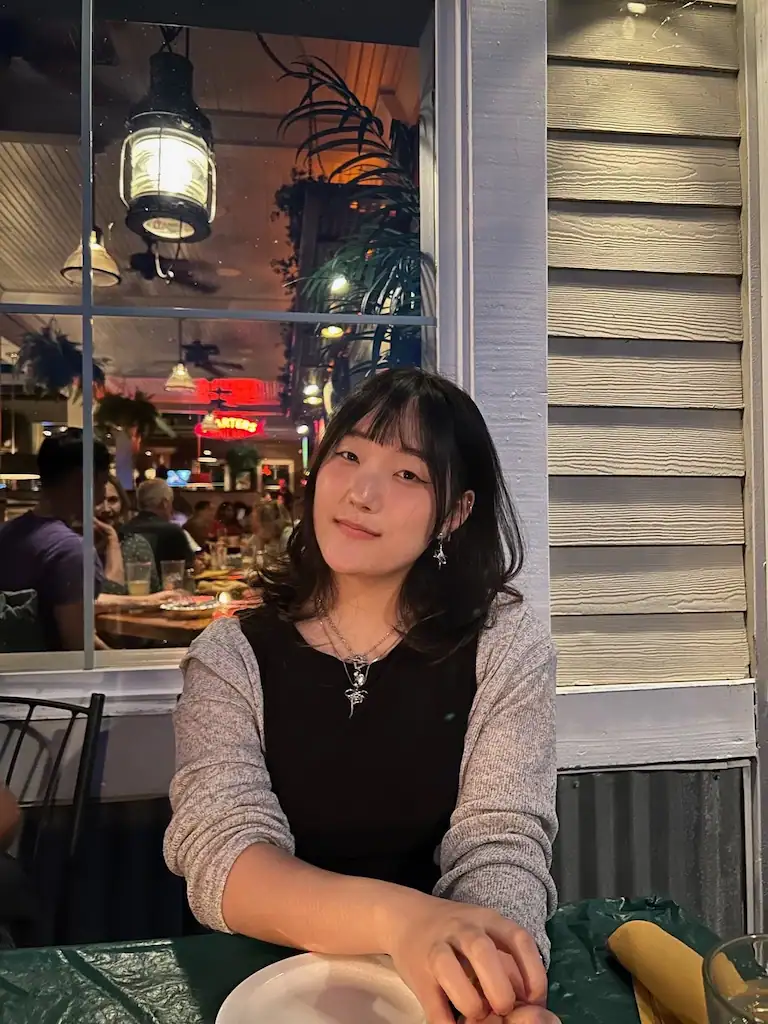
Gia is an undergraduate student at Cornell University pursuing studies in Chemistry and Chemical Biology, with a minor in English. She is passionate about interdisciplinary studies across the field of medicine and healthcare…
Kurtis is currently pursuing an M.S. in Mechanical Engineering at the University of Illinois Urbana-Champaign (UIUC), where he works as a graduate research. Kurtis earned scores of 36 on the ACT and a 1570 on the SAT…
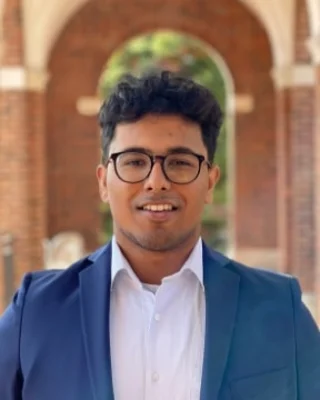
Aryan teaches MCAT prep and College Counseling with a focus on making challenging concepts approachable and the application process less overwhelming. A recent graduate of Johns Hopkins University, Aryan majored in Neuroscience with a deep ...
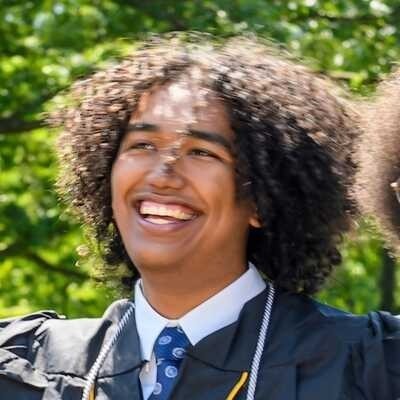
Osiris teaches mathematics, chemistry, Spanish, and web development at various academic levels. He graduated with a degree in Chemical and Biomolecular Engineering from the Johns Hopkins University in Baltimore, Maryland. Currently, he works as an ...
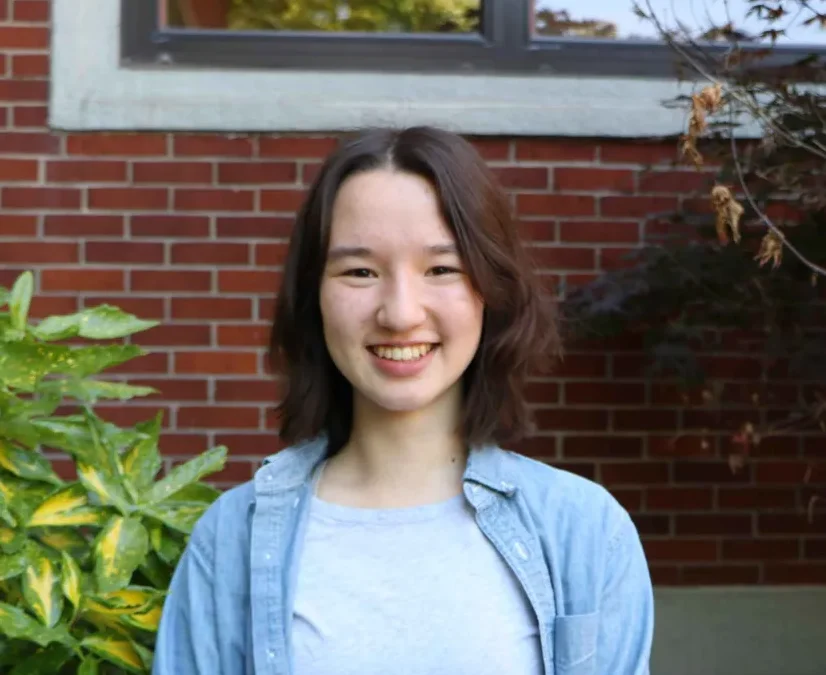
Lia is a student at Dartmouth College in Hanover, New Hampshire currently pursuing a double major in Biology and Environmental Studies. She was the valedictorian of her highschool and a National Merit Scholarship winner …
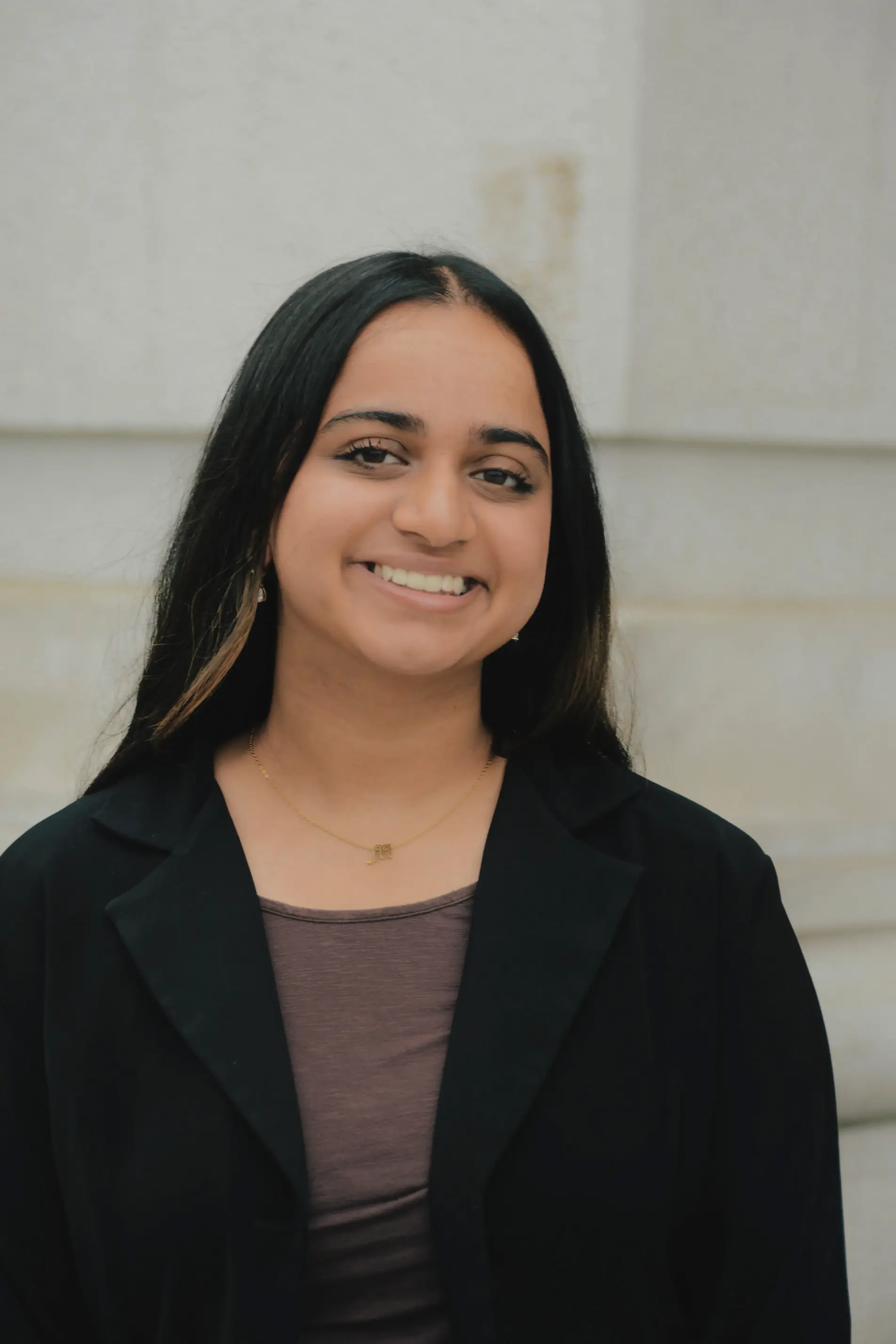
Riya studies Molecular and Cell Biology with a minor in Global Poverty and Practice at UC Berkeley, where she holds a 3.8 GPA. She has completed extensive coursework in the sciences and works as a Senior Research Assistant at UCSF’s Bhattacharya Lab, contributing to studies...
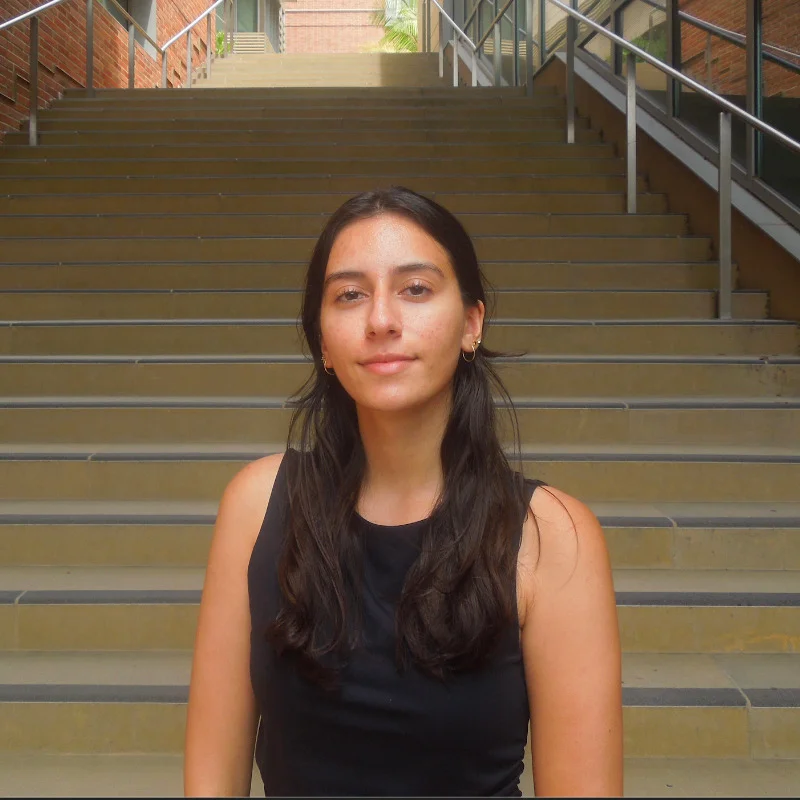
Prisha is a Bioengineering student at UCLA, where she designs and teaches STEM activities to inspire girls to pursue engineering and volunteers to address food insecurity in Los Angeles. She has conducted biomaterials…

Abhijeet has a Bachelor’s in Chemical Engineering from the University of British Columbia and is passionate about learning and helping others grow. For more than ten years, he has tutored math and science, a journey that began with supporting classmates…
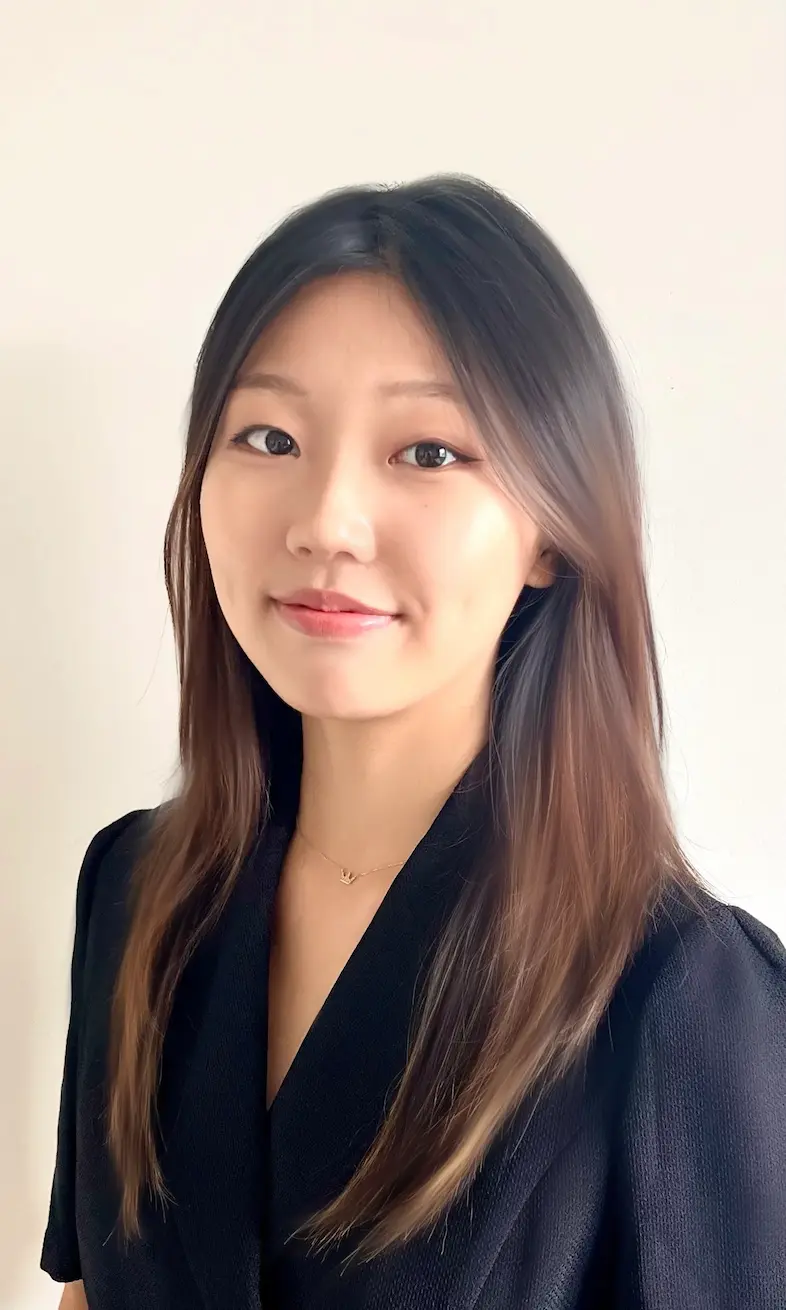
Kendra is a junior at the University of Chicago majoring in Statistics and completing the pre-med sequence. She has a strong interdisciplinary background in mathematics and the sciences, with experience in various…
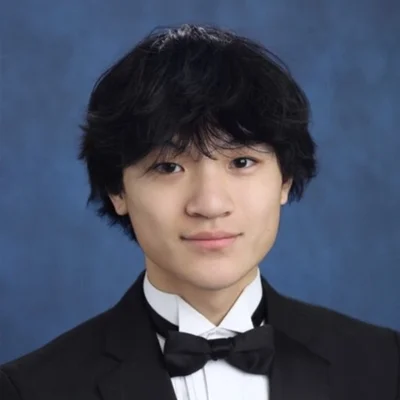
Jiayue teaches Mathematics, Chemistry, Physics, and AP-level courses to middle and high school students. He is currently pursuing a degree in Chemical Engineering at Cornell University, where he maintains…

1
Tell us about your student
Which chemistry course (AP, IB, college orgo, high school), where the student is struggling (stoichiometry, equilibrium, thermodynamics, FRQs), current grade or practice score; and the exam date, if there is one.
2
We select two or three tutors
We match based on the chemistry sub-specialty, the student's level and learning style, and schedule compatibility. A tutor who aced AP Chemistry and went on to study Chemical Engineering at Johns Hopkins is a different fit than one who majored in Biochemistry and co-authored research at Nature Metabolism. We take that distinction seriously.
3
First session for $50
The first 60-minute session starts with a diagnostic. The tutor identifies which specific concepts the student is missing, which the student partially understands, and which the student has mastered. The session ends with a written plan for what comes next.
4
Adjust if the match is wrong
No penalty, no delay. A chemistry tutor who explains well in one style may not connect with every student. Tell us and we reassign.
What happens in a private chemistry session online
Sessions are conducted over video and include a shared whiteboard. That whiteboard handles the parts of chemistry that have to be drawn rather than described, including reaction mechanisms, energy diagrams, equilibrium ICE tables, electrochemical cell diagrams, and worked stoichiometry. For a student anywhere, the online format is the same experience a local private chemistry tutor would give in person, which is why families searching for a tutor near them still work well with us.
The tutor reviews homework before each session and adjusts based on where the errors showed up. For AP and IB students, sessions move between concept work and released free-response practice, which is the fastest way to close the gap between understanding a concept and earning points for it.
Parents receive a written summary after each session covering what was taught, what the student understood, and what to work on next. Sessions serve students in any North American time zone, and international students in the Middle East, South and Southeast Asia, and the UK work with tutors on compatible schedules.
How to choose the best online chemistry tutor for your student
Chemistry is one of the densest subjects a student can hire help for, and the wrong tutor can know the content cold and still fail to move a grade. Here is what actually separates a tutor who helps from one who simply gets through the material.
Subject background in chemistry itself. A strong general STEM tutor who stopped at introductory chemistry will struggle with the quantitative reasoning in the harder units, such as kinetics, thermodynamics, and electrochemistry. Ask which chemistry courses the tutor completed and at what level.
Familiarity with the exam that matters to you. The AP Chemistry exam runs 3 hours and 15 minutes with 60 multiple-choice questions and 7 free-response questions. A tutor who does not know how the free-response section is scored will prepare a student for the wrong thing, because partial credit rewards explicit reasoning steps, not just correct final answers. If you want the current exam details before your first session, the College Board publishes the full course and exam description, and our breakdown of the AP Chemistry exam format walks through the section split in plain language.
Comfort with lab-reasoning questions. Chemistry exams include experimental design and data analysis, and many tutors skip these because they are harder to teach without a lab. A tutor who has worked through lab-based questions is better prepared for that section.
The ability to connect units. Chemistry is cumulative, and electrochemistry pulls together thermodynamics, equilibrium, and redox at once. A tutor who teaches units in isolation leaves a student unable to answer synthesis questions, so ask how they link concepts across a course. Our guide to the hardest AP Chemistry units shows why these connections trip students up most.
One thing NAT does not automatically win. If your student mainly needs someone available around the clock for quick homework questions between classes, a marketplace tutor who charges a lower hourly rate for shorter, more frequent sessions may be a better fit. Private tutoring from a named tutor works best for structured, goal-driven sessions.
Private chemistry tutor versus other options, compared honestly
Free official practice materials are genuinely good, and a student who needs to move one unit from a 4 to a 5 may get there without a tutor at all. Private tutoring earns its cost when the gap is conceptual rather than a matter of practice volume.
Who our chemistry tutors fit, and who they do not
A good fit if:
Your student takes AP Chemistry or IB Chemistry and needs steady support through the year or focused exam prep
Your student is in introductory college chemistry, whether general chemistry, organic chemistry, or biochemistry, and the course is moving faster than they can absorb
Your student needs to pass a college chemistry placement test before their first semester
You want a specific tutor from a named university rather than an anonymous match from a pool
Your student follows the North American, IB, or A-level chemistry curriculum from abroad
Not the right fit if:
Your student needs daily 15-minute homework check-ins, since structured 60-minute sessions are not built for that
Your student is looking for fully free help, in which case the free AP Chemistry resources on our resource hub are the better place to start
Chemistry is a small part of a wider need across many subjects, where a general platform may match faster

FAQ’s
Frequently Asked Questions
How do you know when your writing has been successful?
Tell us and we reassign you, with no penalty and no delay. Fit in chemistry is partly teaching style and partly which subtopics a tutor covers most naturally. Some students need a tutor who builds from first principles, and others need one who drills procedural fluency, so if the first match does not reflect your student's style, the fix is quick.
What if the chemistry tutor is not the right fit?
Yes. NAT tutors work with students in Canada, the Middle East, South and Southeast Asia, the UK, and elsewhere. Sessions are fully online over video with a shared whiteboard, and scheduling accounts for time zone differences. Students preparing for AP Chemistry, IB Chemistry, A-level Chemistry, or a North American university placement test all work with our tutors.
Is online chemistry tutoring available for international students?
The factors that matter most are a real chemistry background rather than general STEM, familiarity with how the exam free-response section is scored, and the ability to connect concepts across units rather than teach them in isolation. A tutor who has done chemistry or biochemistry research brings a level of conceptual fluency that shows up in harder questions. Ask about their own chemistry background and how they handle multi-concept synthesis questions.
What should I look for in a good online chemistry tutor?
Yes, it depends on the tutor you are matched with. When you request a match for organic chemistry, name the textbook your course uses, the professor's exam style, and whether nomenclature, stereochemistry, mechanisms, or spectroscopy needs the most work.
What should I look for in a good online chemistry tutor?
The factors that matter most are a real chemistry background rather than general STEM, familiarity with how the exam free-response section is scored, and the ability to connect concepts across units rather than teach them in isolation. A tutor who has done chemistry or biochemistry research brings a level of conceptual fluency that shows up in harder questions. Ask about their own chemistry background and how they handle multi-concept synthesis questions.
Is online chemistry tutoring available for international students?
Yes. NAT tutors work with students in Canada, the Middle East, South and Southeast Asia, the UK, and elsewhere. Sessions are fully online over video with a shared whiteboard, and scheduling accounts for time zone differences. Students preparing for AP Chemistry, IB Chemistry, A-level Chemistry, or a North American university placement test all work with our tutors.
What if the chemistry tutor is not the right fit?
Tell us and we reassign you, with no penalty and no delay. Fit in chemistry is partly teaching style and partly which subtopics a tutor covers most naturally. Some students need a tutor who builds from first principles, and others need one who drills procedural fluency, so if the first match does not reflect your student's style, the fix is quick.